

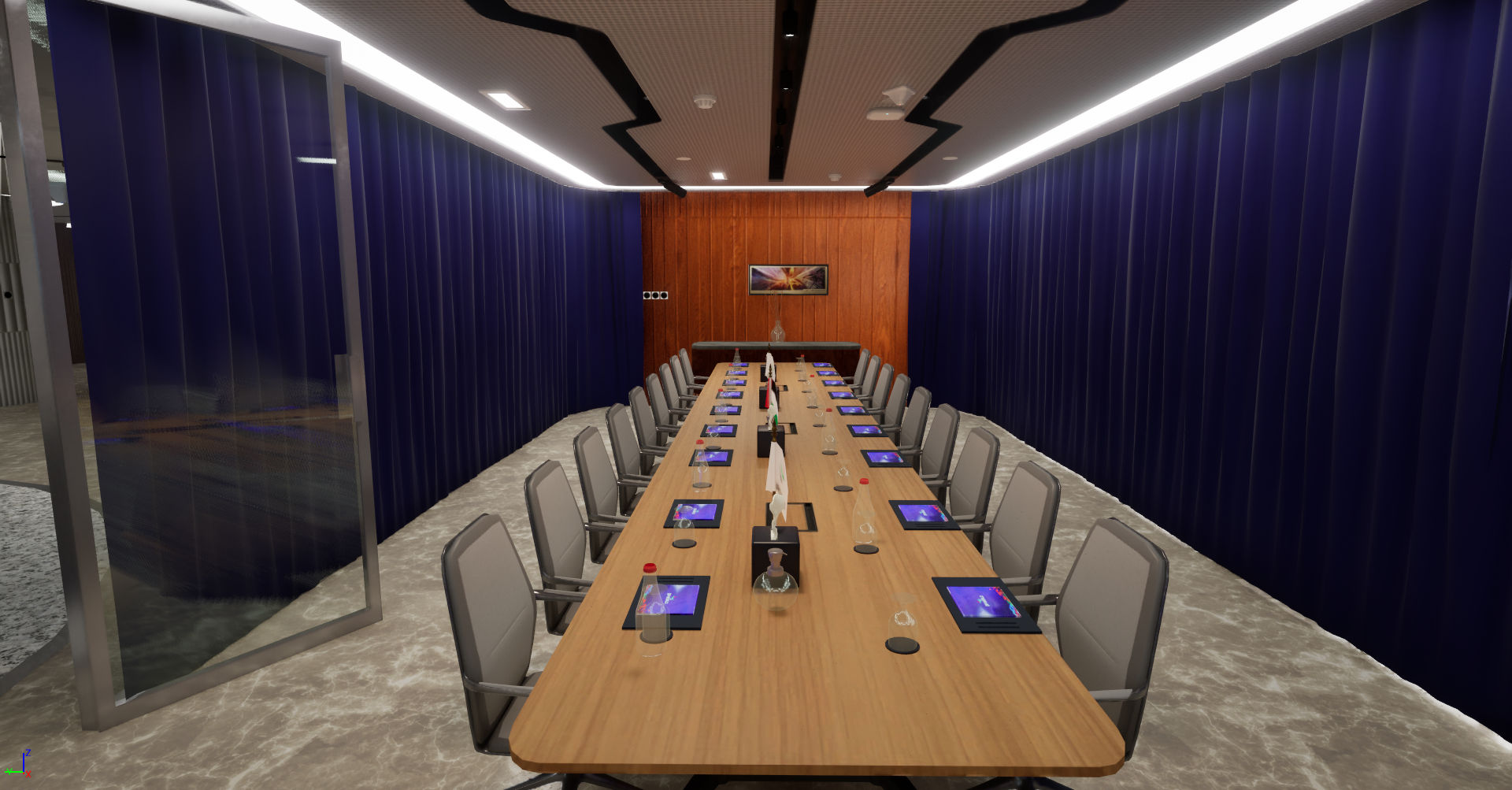
Introduction to VR Technology
Virtual Reality (VR) technology creates immersive, interactive digital environments that simulate real-world experiences through specialized hardware and software. It is widely used across industries such as gaming, education, healthcare, and business to enhance learning, training, visualization, and collaboration. With continuous advancements and
Virtual Reality (VR) technology is an immersive digital innovation that enables users to experience and interact with computer-generated environments in a highly realistic manner. By using specialized hardware such as VR headsets, motion controllers, and sensors, VR creates a simulated three-dimensional space that responds dynamically to user movements, gestures, and inputs. This technology effectively bridges the gap between the physical and digital worlds, offering a sense of presence that traditional screens cannot provide. VR has found significant applications across multiple industries, including gaming, education, healthcare, real estate, and manufacturing. In education and training, VR enables experiential learning through realistic simulations, allowing users to practice complex tasks in a safe, controlled environment. In healthcare, it is used for surgical training, pain management, and mental health therapies such as exposure treatment. Businesses leverage VR for virtual product demonstrations, design visualization, and remote collaboration, improving efficiency and decision-making. Advances in graphics processing, spatial audio, and haptic feedback continue to enhance realism and user engagement. As hardware becomes more affordable and software ecosystems mature, VR technology is steadily moving toward mainstream adoption, positioning itself as a transformative tool that reshapes how people learn, work, communicate, and experience digital content.